
It is, without question, the most common question I get asked when a business starts thinking seriously about their online presence. How long does SEO take? When will I start seeing results? When can I expect my phone to start ringing from Google searches?
The honest answer, the one that separates genuine expertise from the kind of optimistic nonsense that fills most of the internet on this subject, is that it depends. But "it depends" is only useful if you understand exactly what it depends on. So let me give you the real picture, based on a decade of working with businesses across Cornwall and the rest of the UK.
Why SEO Takes Time at All
Understanding why SEO is not instant starts with understanding how Google actually works. When you make changes to your website, new pages, better content, technical improvements, those changes do not register overnight. Google's crawler has to find them, process them, and reassess your site's relevance and authority relative to every other website competing for the same searches.
That reassessment takes time. Google is not simply reading your page and deciding where to slot it in the rankings. It is evaluating your page in the context of how real people behave when they visit it, how many credible and relevant websites link to yours, how consistently you publish useful content, how your site performs technically across different devices and connection speeds, and dozens of other signals that accumulate and compound over months rather than days.
Think of it less like flipping a switch and more like building a professional reputation. A business that has been consistently delivering excellent work in the same area for five years carries a different kind of credibility than one that opened last month. Google thinks similarly. The signals that build authority in Google's assessment, consistent content, earned links from reputable sources, positive user engagement, sustained technical performance, accumulate gradually and compound significantly over time.
What a Realistic Timeline Looks Like
For a local business targeting a specific geographic area, a plumber covering Truro and the surrounding villages, a landscape gardener working across mid-Cornwall, an estate agent focused on the coastal towns of west Cornwall, meaningful results are typically visible within three to six months of properly executed SEO work beginning. Research from Ahrefs found that the majority of pages ranking in the top ten on Google are at least two to three years old, which reinforces why starting early and being consistent compounds into a significant competitive advantage.
"Meaningful" means movement in rankings that you can see and measure. It means more organic traffic arriving at your website from relevant searches. And most importantly, it means actual enquiries that you can trace back to people finding you on Google. Not necessarily page one for your most competitive keyword, that may come later. But clear, trackable upward movement and tangible business impact within that timeframe is a realistic and reasonable expectation.
For national or highly competitive niches, a solicitor competing for search terms across England and Wales, an e-commerce brand competing with major retailers, a service provider trying to rank in multiple large cities simultaneously, the timeline extends considerably. Twelve to eighteen months before significant visibility is common, and in some sectors it is genuinely longer. The competition is stiffer, the bar to rank is proportionally higher, and the investment required reflects that reality.
Cornwall, interestingly, sits in a favourable position for local SEO. The county has a relatively limited pool of businesses competing for most local search terms compared to urban centres. For searches tied to specific towns, "web designer Newquay", "accountant Falmouth", "personal trainer Penzance", "heating engineer St Austell", the competition is often genuinely manageable. Strong local rankings are frequently achievable faster than equivalent businesses in London, Manchester or Bristol would expect.
The Google Business Profile Factor
For any business serving a local area, the Google Business Profile is arguably the most important single element of local search performance, and it is consistently underestimated or neglected.
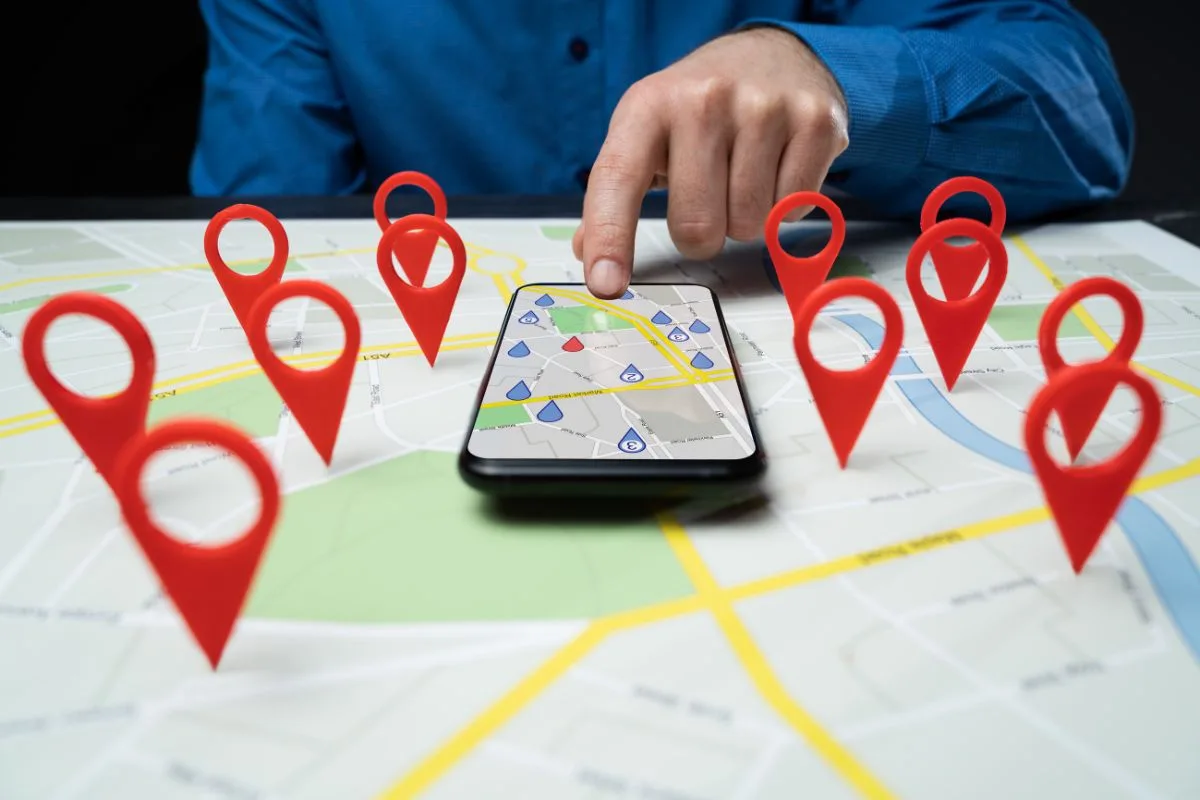
When someone searches "electrician near me" or "cafe in St Ives" on their phone, they are shown a map pack, a prominent block of three local listings appearing above the organic search results. Those listings come directly from Google Business Profile. Appearing in that map pack for your relevant searches can deliver more enquiries than almost any amount of on-page SEO work, and for many Cornwall service businesses it is the highest-return activity available.
I have worked with businesses across Cornwall where a properly set-up and actively managed Google Business Profile, fully completed with accurate information, regularly updated with posts and recent photos of completed work, and generating a consistent stream of genuine reviews, produced a measurable uplift in calls and enquiries within six to eight weeks. That is significantly faster than traditional SEO and, for many service-area businesses, more immediately impactful.
The caveat is that it requires genuine, sustained attention. A half-completed profile with no photos, no posts and no recent reviews performs poorly regardless of how good your underlying website is. Consistency is essential. Google rewards profiles that signal an active, established, trustworthy business, and the signals it looks for are largely about consistent engagement over time.
What Genuinely Accelerates Results
Several factors can meaningfully shorten the timeline to results, and understanding them is essential for setting realistic expectations and allocating budget and effort in the right places.
Publishing consistent, high-quality content is one of the most powerful accelerants available to most local businesses. A well-written, genuinely useful blog post targeting a specific local search term can begin ranking within weeks of publication. A series of well-structured location-specific service pages builds topical authority progressively and captures long-tail search traffic that most competitors are not pursuing at all.
Earning inbound links from credible sources, the local chamber of commerce, industry publications, Cornwall-based news outlets, professional directories, signals authority to Google faster than almost anything else you can do. A single quality link from a genuinely trusted source carries more weight than hundreds of low-quality directory links and contributes measurably to rankings within months of appearing.
Technical foundations matter more than most business owners realise. A slow website with crawl errors, broken internal links, poor mobile performance and no structured data is starting the race with significant handicaps. Google's Core Web Vitals, the speed, responsiveness and visual stability metrics Google uses as ranking signals, are a direct measure of how technically sound a site is. Fixing these issues removes the ceiling on what is achievable and allows every other element of the SEO work to perform considerably better. A well-built website sets these foundations in place from day one, which is why it is always worth asking about technical performance before you commit to any web design project. If your site was recently launched and you are seeing no traffic at all, read why new websites get found on their own first.
Generating genuine customer reviews, simply asking satisfied clients to leave a Google review immediately after you have completed their work, builds both Google Business Profile performance and the trust signals that convert searchers into actual enquiries. BrightLocal's consumer review research consistently shows that the majority of people read reviews before contacting a local business, making this one of the most direct levers available.
What Does Not Work and What to Avoid
The SEO industry has more than its share of bad actors selling approaches that either do not work or actively damage the businesses that buy them. Being able to identify these saves time, money and often significant frustration.
Guaranteed page one rankings within a fixed timeframe is a promise that should immediately disqualify whoever is making it. No legitimate SEO professional can guarantee specific rankings, Google's algorithm makes that genuinely impossible, and any honest practitioner will tell you so.
Cheap link-building packages, where hundreds of links are generated from low-quality directories, foreign spam websites or link networks, may produce a short-term ranking lift, followed by a manual or algorithmic penalty that can take months or years to recover from. This is not a shortcut; it is a long-term liability sold as a short-term fix.
Keyword stuffing has been ineffective for well over a decade. Modern Google is extraordinarily good at identifying content written for algorithms rather than people and demoting it accordingly. The pages that rank well in competitive searches today are almost always the most genuinely useful pages on their topic.
Bridging the Gap: Running Ads While SEO Builds
One of the most practical things a business can do while waiting for organic search to build momentum is to run a targeted paid advertising campaign alongside it. Google Ads, set up and managed properly, can generate qualified enquiries from day one. The targeting is precise, you choose the exact search terms, the location radius, the times of day, and the daily budget, and the results are immediate and measurable in ways that organic SEO simply cannot match in the short term.
This approach works particularly well for local service businesses in Cornwall. While the organic SEO work is earning authority and climbing the rankings over months, a well-run paid campaign keeps the phone ringing. When the organic rankings begin to deliver consistent traffic, the paid budget can be scaled back or redirected, giving the business two channels of search visibility while paying proportionally less over time as organic grows.
The two approaches also reinforce each other directly. Data from paid campaigns shows which search terms are actually converting to enquiries, which informs the content and keyword strategy for organic. Organic rankings that eventually earn the top position do so with an established base of conversion intelligence behind them. Done in sequence and managed with both in mind, the result is faster to meaningful revenue and more durable once achieved.
Setting Expectations That Lead to Good Outcomes
The businesses that achieve the best outcomes from SEO investment are the ones that understand it as a long-term asset being built rather than a cost being incurred month to month. They accept that the first three months are often the slowest in terms of visible results, that the compounding effect becomes much more pronounced in months six to twelve, and that a site with strong foundations at eighteen months is genuinely difficult for a competitor to displace quickly.
The analogy I return to most often with clients across Cornwall is consistent physical training. Nobody expects to be significantly fitter after two weeks. But two weeks becomes two months, two months becomes a year, and at that point the compounding effect of consistent effort has produced something genuinely impressive, something that a newcomer cannot replicate quickly simply by starting now.
That is precisely how organic search performance works. The businesses investing in their online presence today, doing the work properly and consistently, are building an asset that will serve them for years and that grows in value over time. If your site has been live for several months with no meaningful traffic, it is worth reading why most websites do not get found on their own before investing further in any channel.
If you are based in Cornwall and want a straight, honest conversation about what is realistic for your specific business, your market and your current budget, get in touch. I do not do sales pitches. I do clear assessments and honest plans. If you are in the process of choosing who to work with, read what to look for when hiring a web designer before you commit to anything.
Want to know where your business stands?
I offer a free, no-pressure assessment of your current search visibility and what a realistic improvement plan would look like for your specific business and market.
Get a free assessment